Buy Certified Precious Metals Online with Confidence!
Tel:
+27 73 863 2342
WhatsApp:
+27 73 863 2342
Email:
info@africanpreciousmetalsgroup.com
05 Apr 2026

Gold Dealers in Casablanca: Buy Gold Bars, Bullion, Jewelry & Investment Gold in Morocco 2026

Gold dealers in Casablanca serve both the vibrant local jewelry market and international investors seeking Moroccan and African-sourced gold. As Morocco’s economic capital and financial hub, Casablanca hosts reputable jewelers, wholesalers, and trading networks.

The market focuses heavily on 18K and 22K gold jewelry, with growing opportunities for bullion and investment-grade gold bars through licensed channels and international partners.

Top Gold Dealers in Casablanca

Casablanca offers a mix of high-end showrooms, traditional souk traders, and wholesale markets:

  • Celinni Diamond Casablanca: Located at 10 Mutualité Street, El Maarif. A leading specialist in 18K gold (750 thousandths), platinum jewelry, engagement rings, and natural diamonds. They import directly from Antwerp, Paris, Hong Kong, Bombay, and New York. Ideal for custom pieces and certified high-quality gold jewelry. Strong reputation for transparency and expertise spanning generations.
  • Maison Azuelos: Multiple stores in Casablanca and Rabat. A century-old creator jeweler and official distributor for Rolex, Jaeger-LeCoultre, and Tudor. Known for luxury gold jewelry blending tradition and modernity. Excellent for investment-grade pieces and watches.
  • Mystère (Chaumet and Messika Boutiques): High-end locations including Morocco Mall. Offer premium gold and platinum jewelry from international luxury brands. Perfect for exclusive collections.
  • Traditional Markets: Old Medina jewelry shops provide competitive prices on handmade gold items. Bargaining is expected. Kissariat el Menjra and Galerie Benomar in Maarif are popular for diverse 18K gold necklaces, bracelets, and rings at reasonable rates. Derb Ghallef souk offers volume options.

Other notable mentions include Al Mamlaka Gold (wholesale haute joaillerie), Gold Eline, and various bijouteries in Racine and Maarif districts. For numismatics and gold coins, Dannami Coins operates in Casablanca.

African Precious Metals Group serves as a trusted international partner for buyers in Casablanca seeking investment gold bars, bullion, nuggets, and refined 24K gold. They connect Moroccan dealers and African sources with global standards, providing assay-certified products, secure logistics, and compliance support for cross-border transactions.

Types of Gold Available in Casablanca

  • Jewelry Gold: Predominantly 18K and 22K, popular for daily wear, weddings, and gifts in Moroccan tradition.
  • Investment Gold: 24K bars (1g to 1kg), bullion, and coins. Local restrictions may apply for physical bars to citizens; banks or licensed dealers handle investment options.
  • Gold Dore, Nuggets & Dust: Available through trading networks for refiners and exporters.
  • Luxury & Custom Pieces: Diamonds, platinum, and high-craftsmanship items.

African Precious Metals Group specializes in pure 24K gold bars (99.99% purity) with full assay certificates, suitable for portfolio diversification and resale. They source across Africa, including refined products suitable for Casablanca buyers.

How to Buy Gold in Casablanca

  1. Retail Purchases: Visit showrooms in Maarif, Racine, or Morocco Mall. Request purity verification (hallmarks mandatory in Morocco).
  2. Wholesale/Investment: Contact established dealers or use networks linked to African Precious Metals Group for bulk bullion.
  3. Testing & Verification: Insist on assay reports, hallmarks, and certificates. Reputable dealers provide in-house testing.
  4. Payment: Bank transfers preferred for large amounts. Cash for smaller jewelry deals. Use escrow for international transactions.
  5. Current Pricing: Track global gold prices plus local premiums. 24K prices fluctuate; jewelry carries making charges (typically 10-30%). Check daily rates via Bank Al-Maghrib or international platforms.

Regulations and Licensing in Morocco

Morocco’s mining and gold trade fall under the Mining Code. Key points:

  • Dealer Licensing: Jewelers and traders require commercial registration and specific authorizations from the Ministry of Energy, Mines and Environment (or successor bodies).
  • Gold Trading: Licensed entities handle buying, selling, and refining. Sovereign control ensures traceability.
  • Export Rules: Exporters need mineral export licenses, certificates of origin, assay reports, and customs declarations. Bank Al-Maghrib approval may apply for large transactions. Export duties and taxes vary; value-added processing is encouraged.
  • Import: Conformity certificates required for certain goods.
  • AML & Traceability: Compliance with international standards to prevent illicit trade.

Foreign buyers benefit from Morocco’s stable business environment and free trade agreements. Always verify seller licenses.

African Precious Metals Group supports full compliance by providing documentation packages, traceability records, and guidance on Moroccan import/export procedures for gold bars and bullion.

Investment Considerations

Casablanca’s strategic location makes it a gateway for African gold flows. Morocco produces modest gold but excels in refining, jewelry manufacturing, and trade. Investors benefit from political stability, developed infrastructure (Casablanca port and airport), and CEMAC-adjacent trade links.

Pros: High craftsmanship, competitive jewelry pricing, reliable legal framework, access to broader African supply via partners like African Precious Metals Group.

Cons: Potential restrictions on raw gold bar sales to individuals; premiums on jewelry; currency considerations (MAD).

Tips:

  • Compare multiple quotes.
  • Factor refining, shipping, and insurance costs.
  • Prioritize LBMA-aligned or assayed products for liquidity.
  • Use African Precious Metals Group for vetted 24K bars with secure delivery options.

Challenges and Best Practices

  • Fraud Risks: Verify dealers; avoid unsolicited offers. Use third-party assayers.
  • Bargaining Culture: Essential in souks but less so in fixed-price showrooms.
  • Security: Employ secure transport or vault services for large quantities.
  • Market Trends: Rising demand for ethical, traceable gold. Morocco promotes responsible practices.

African Precious Metals Group mitigates risks through direct miner/refiner partnerships, pre-vetted supply chains, video verification, and insured logistics for clients operating in or through Casablanca.

Customs, Taxes, and Export from Casablanca

  • Taxes: VAT on jewelry/trading; export duties depend on product form.
  • Procedures: Obtain export permit, pay royalties if applicable, secure customs clearance at Casablanca port.
  • Incentives: Possible reductions for processed gold.
  • Engage local legal/fiscal experts or partners like African Precious Metals Group for smooth handling.

Why Choose Casablanca for Gold Transactions

Casablanca combines tradition with modernity — from Medina artisans to luxury malls and international trade networks. It serves retail buyers, wholesalers, jewelers, and bulk investors seeking African gold exposure.

African Precious Metals Group bridges local Casablanca opportunities with continent-wide sourcing, offering competitive pricing on certified gold bars, nuggets, and dust while ensuring regulatory adherence for international buyers.

Next Steps and Recommendations

  • Visit physical locations in Maarif or Morocco Mall.
  • Request appointments with premium dealers like Celinni or Azuelos.
  • For investment bullion and export-grade gold, contact African Precious Metals Group early for quotations, compliance packs, and logistics.
  • Consult Bank Al-Maghrib for official rates and regulations.
  • Engage notaries or lawyers for contracts.

Gold dealers in Casablanca provide diverse options from exquisite Moroccan jewelry to investment gold bars via trusted networks. Success relies on verification, licensing compliance, and reliable partners.

Whether purchasing locally crafted 18K pieces or sourcing 24K bullion for export, Casablanca offers strong opportunities in 2026.

Partnering with African Precious Metals Group ensures access to high-purity, certified African gold with full support for secure, compliant transactions.

Always confirm current regulations with Moroccan authorities, as policies evolve. This guide delivers essential, actionable information for informed gold dealings in Casablanca.

05 Mar 2026

How to Buy Gold in Kenya: Complete Guide for International Buyers

How to Buy Gold in Kenya: Kenya has emerged as a significant player in the East African gold trade. As both a gold-producing country and a regional trading hub, it attracts international buyers seeking authentic African gold.

Rising global interest in diversified investments, coupled with Kenya’s strategic location, creates strong opportunities for those wanting to buy gold in Kenya.

This guide covers everything you need to know about how to buy gold in Kenya, from sourcing 24K gold bars Kenya to navigating export procedures.

Whether you seek gold bars for sale in Kenyagold nuggets, or refined bullion, dealing with trusted Kenya gold dealers and gold suppliers in Kenya is essential for safe, legitimate transactions.

Kenya’s Gold Industry: Production, Regions, and Market Role

Gold mining in Kenya primarily occurs through artisanal and small-scale operations, with some large-scale activities. Key regions include Kakamega, Migori, Narok, and parts of Vihiga and Busia counties in western Kenya. These areas form part of the Lake Victoria Gold Belt, known for its potential.

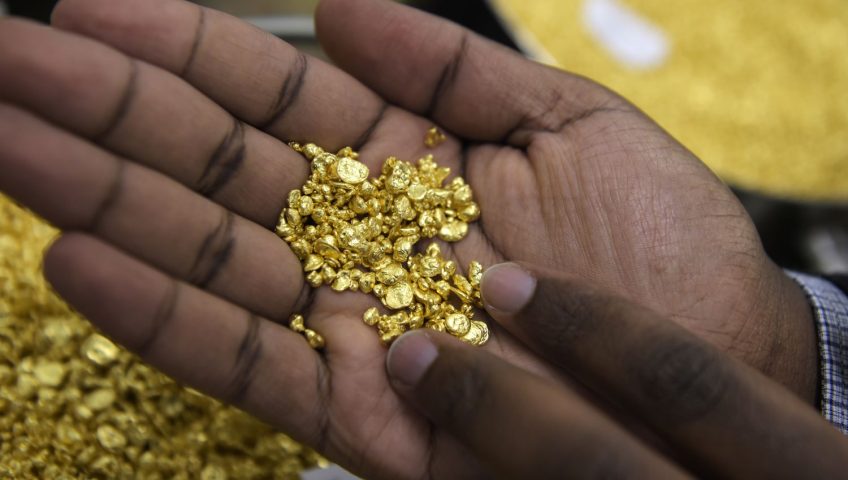
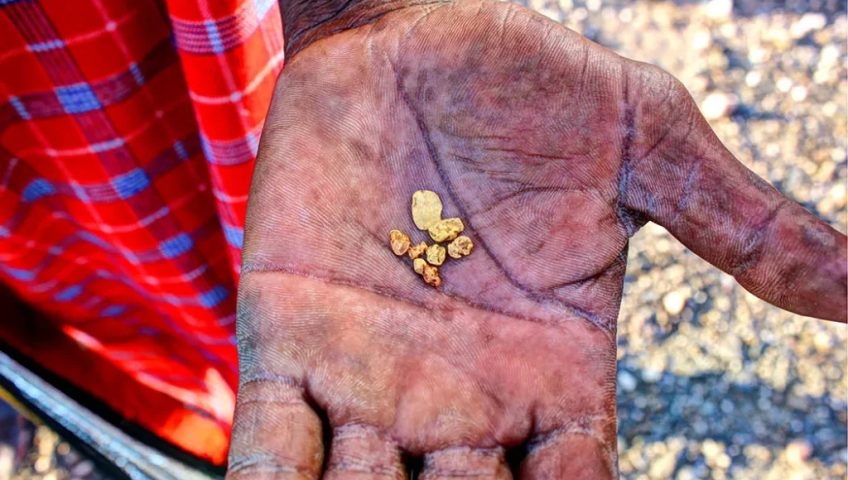
Small-scale miners dominate production, often using traditional methods to extract raw goldgold nuggets, and gold dust. Nairobi serves as the main trading center, where Kenya gold dealers aggregate, refine, and prepare material for local and international markets. Kenya functions as both a producer and a hub for African gold suppliers, facilitating trade from neighboring countries.

Demand for Kenyan and broader African gold has grown due to its competitive pricing, traceability improvements, and investor appeal amid global economic uncertainty. International buyers increasingly explore buy African gold online options or direct sourcing for gold export from Kenya.

Step-by-Step Guide: How to Buy Gold in Kenya

Follow these structured steps for a secure purchase.

Step 1: Find a Trusted Gold Supplier

Research reputable Kenya gold dealers and gold suppliers in Kenya. Verify licenses from the Ministry of Mining, company registration, and physical presence in Nairobi or mining areas. Request references, visit facilities if possible, and check online reviews. Trusted African gold suppliers provide transparency from mine to export.

Step 2: Verify Gold Purity

Always insist on independent assay reports from accredited labs. Common purities include 22K and 24K gold bars Kenya. Assay certificates confirm weight, fineness, and composition. For raw gold or nuggets, on-site testing or refinery certification is crucial. Reputable suppliers offer full documentation.

Step 3: Request Export Documentation

For international buyers, secure all necessary papers early. Key items include the export permit, certificate of origin, assay certificate, commercial invoice, and packing list. The seller (licensed exporter) typically handles the export permit.

Step 4: Agree on Payment Terms

Use secure methods like bank transfers, letters of credit, or escrow services. Avoid large cash deals or untraceable payments. CIF (Cost, Insurance, Freight) transactions are common for gold export from Kenya. Clear contracts detailing quantity, price, purity, and delivery protect both parties.

Step 5: Arrange Shipping and Delivery

Opt for insured, tracked international logistics. Common routes use Jomo Kenyatta International Airport (JKIA) in Nairobi or Mombasa port. Work with experienced freight forwarders familiar with precious metals. Confirm all customs clearance before shipment.

Types of Gold Sold in Kenya

Kenyan suppliers offer various products:

  • 24K gold bars Kenya: Pure investment-grade bullion, preferred by investors.
  • Gold nuggets and raw gold: Popular with collectors and refiners, often 22K–24K.
  • Gold dust: Requires further refining.
  • Refined bullion: Ready for immediate use or resale.

Buyers often prefer 24K gold bars for liquidity and standardization. Gold bars for sale in Kenya range from small (1 oz or 100g) to large (1kg+) depending on volume.

Gold Product

Typical Purity

Best For

Gold Bars

24K

Investors, bullion storage

Gold Nuggets

22K–24K

Collectors, refiners

Gold Dust

Varies

Refining operations

Refined Bullion

99.9%+

International trade

Trusted African Gold Suppliers and Kenya Gold Dealers

Reputable companies like Africa Gold Suppliers Ltd stand out by offering authentic sourcing, assay verification, complete export documentation, secure transactions, and reliable international delivery. They assist with CIF gold transactions, logistics, and compliance, making the process smooth for foreign buyers.

When searching for gold suppliers in Kenya or African gold suppliers, prioritize those with established track records, government licenses, and positive buyer testimonials. Nairobi hosts many professional bullion suppliers.

Buyer Safety Tips: Avoiding Scams When Buying Gold in Kenya

Buying gold in Kenya safely requires vigilance:

  • Verify seller identity and licenses thoroughly.
  • Never pay full amount without assay and documentation.
  • Use legal contracts and escrow where possible.
  • Conduct due diligence on Kenya gold dealers.
  • Be wary of unrealistically low prices or pressure tactics.
  • Work only with suppliers offering full export support.

Professional guidance from lawyers or agents experienced in mineral trade adds protection.

Gold Export Procedures in Kenya

Exporting requires compliance with the Mining Act and customs rules. The licensed exporter applies for an export permit per shipment from the Ministry of Mining. Other requirements include:

  • Mineral dealer’s license.
  • Assay certificate.
  • Certificate of origin.
  • KRA export declaration and tax compliance.
  • Customs clearance at exit points.

Royalties and taxes apply based on value. The process typically takes days to weeks with proper preparation. International buyers usually partner with established gold suppliers in Kenya who manage these steps.

Current Gold Market Information and Investment Opportunities

Global gold prices remain strong due to inflation hedging and geopolitical factors. In Kenya, prices track international spot rates, with local premiums for refined bars. As of recent data, 24K gold per gram hovers around 19,000–19,500 KES, subject to daily fluctuations.

Investors buy African gold for diversification, potential supply growth, and attractive pricing compared to major markets. Kenya’s location offers logistical advantages for East African sourcing and export to Europe, Asia, or the Middle East.

Why buy gold in Kenya? Competitive costs, improving formalization of the sector, and access to gold mining in Kenya sources appeal to savvy buyers.

FAQs About Buying Gold in Kenya

Is it legal to buy gold in Kenya?

Yes, for both locals and foreigners, provided transactions follow Mining Act regulations and use licensed dealers.

Can foreigners buy gold in Kenya?

Yes. Foreign investors can purchase and export with proper documentation. No buyer license is typically needed for personal or investment buys.

What documents are needed to export gold?

Export permit, assay certificate, certificate of origin, commercial invoice, packing list, and customs declarations.

How much is gold in Kenya today?

Prices follow global rates; check live quotes for 24K per gram or ounce. Contact suppliers for current gold bars for sale in Kenya offers.

Where can I buy 24K gold bars in Kenya?

Reputable dealers and suppliers in Nairobi, or through verified African gold suppliers with export capabilities.

How do I avoid gold scams in Kenya?

Insist on assays, licenses, contracts, and verified suppliers. Avoid unsolicited deals or cash-only high-pressure offers.

Related resources: Explore Buy gold in UgandaGold dealers in CongoGold Bullion for Sale , or 24K gold nuggets for sale.

Conclusion: Secure Your Investment in Kenyan Gold

Kenya’s growing gold market combines domestic production from regions like Kakamega, Migori, and Narok with Nairobi’s trading expertise.

By following structured steps for how to buy gold in Kenya, verifying purity, securing documentation, and partnering with trusted Kenya gold dealers, international buyers can confidently acquire gold bars for sale in Kenyaraw gold, nuggets, or refined 24K gold bars.

Success hinges on due diligence, legal compliance, and reliable partners. Africa Gold Suppliers Ltd provides end-to-end support—from authentic sourcing and assay verification to seamless gold export from Kenya and secure delivery—making them an excellent choice for safe, efficient transactions.

Ready to invest? Contact trusted African gold suppliers today to discuss your requirements for buy African gold online or direct deals.

With proper procedures, buying gold in Kenya offers rewarding opportunities in a dynamic African gold market.

05 Jan 2026

How to Buy Gold from Miners in Ghana: Complete 2026 Guide

How to buy gold from miners in Ghana is one of the most commercially important questions in African precious metals trading — and in 2026, it requires understanding a fundamentally transformed regulatory landscape that changed everything from May 1, 2025 onwards.

Ghana produced over 140 metric tonnes of gold in 2024 and is Africa’s leading gold exporter in 2025, with ASM (artisanal and small-scale mining) sector exports alone reaching approximately 66.7 tonnes worth US$6.3 billion by August 2025 — extraordinary figures driven by the Ghana Gold Board Act (GoldBod Act 1140) that now governs every legal gold transaction in the country.

Whether you are a foreign gold buyer looking to purchase gold from Ghanaian miners, an international investor seeking to source gold directly from Ghana’s Ashanti Belt, or a commercial buyer asking whether direct purchases from artisanal miners are still permitted — this comprehensive 2026 guide gives you every fact, every legal requirement, and the safest, most compliant pathway for buying gold from miners in Ghana legally and profitably.

The Critical 2025 Regulatory Change — GoldBod Replaced Everything

The most important fact for anyone trying to buy gold from miners in Ghana in 2026: The entire framework for purchasing ASM gold in Ghana changed fundamentally on May 1, 2025.

On 2 April 2025, Ghana adopted the Ghana Gold Board Act (Act 1140), 2025, establishing the Ghana Gold Board (GoldBod) as the sole buyer, assayer, exporter, and regulator of gold in Ghana. From 1 May 2025, any gold trading or export outside the GoldBod system is a criminal offence.

What this means for buyers trying to purchase gold from Ghanaian miners directly:

All previous licences issued by PMMC (Precious Minerals Marketing Company) or the Ministry of Lands and Natural Resources expired on 30 April 2025 and are now completely invalid. Under the GoldBod framework, no person other than GoldBod or a licensed buyer, aggregator, or service provider of GoldBod is permitted to purchase or deal in gold from artisanal and small-scale miners in Ghana.

Foreign buyers specifically: All foreigners were notified to exit the local gold trading market by 30 April 2025. A foreigner may however apply to GoldBod to buy or off-take gold directly from GoldBod — not directly from individual miners.

This is not a technicality. It is the fundamental architecture of Ghana’s entire gold trading system in 2026, and violating it carries criminal penalties including fines, imprisonment, and confiscation of gold and assets.

Can You Still Buy Gold from Miners in Ghana in 2026?

The direct answer: Individual foreign buyers can no longer walk into Ghana’s mining regions and buy gold directly from artisanal miners. That model ended on 30 April 2025.

However, buying high-quality Ghanaian miners’ gold is absolutely still possible — through the correct legal pathways:

Pathway 1: GoldBod Off-Take Agreement (Foreign Buyers)

Foreigners are not banned from gold trading but must now comply by registering as an off-taker — purchasing gold directly from GoldBod’s certified pool. Under this arrangement:

  • You apply to GoldBod at goldboard.gov.gh for off-taker registration
  • GoldBod sources, assays, and certifies gold from licensed artisanal miners
  • You purchase directly from GoldBod’s certified supply pool at GoldBod-published prices
  • All documentation — assay certificate, certificate of origin, export permit — is GoldBod-issued

This pathway gives international buyers Ghana’s most legally compliant, best-documented gold — sourced from verified artisanal miners through the government framework.

Pathway 2: GoldBod Licensed Exporter Partnership

The most practical pathway for most international buyers is partnering with a GoldBod Licensed Gold Exporter (LGE) — a licensed Ghanaian company authorised to purchase from GoldBod, prepare export documentation, and sell to international buyers.

Buy Gold Bars Africa Ltd operates as a GoldBod-compliant supply partner for international buyers — sourcing gold through GoldBod-certified channels and providing the complete documentation package (GoldBod assay certificate, certificate of origin, export permit, commercial invoice) required for import compliance in the USA, UK, EU, UAE, and all other major markets.

Pathway 3: Become a GoldBod-Licensed Entity (Ghanaian Companies Only)

Under the Ghana Gold Board Act 2025, licences to purchase and deal in gold may be granted exclusively to Ghanaian citizens and wholly Ghanaian-owned companies. A Ghanaian company desirous of dealing in gold is encouraged to apply for a licence at the GoldBod head office in Accra (online at goldboard.gov.gh or in person from 22 April 2025).


Understanding Ghana’s Mining Regions — Where the Gold Comes From

Ghana’s gold mining regions provide the supply that makes Ghana Africa’s leading gold exporter. Understanding these regions helps buyers understand the provenance of the gold they are purchasing:

The Ashanti Belt — Ghana’s Gold Heartland

The Ashanti Belt stretches from southwestern to central Ghana and is the most productive gold-bearing geological corridor in West Africa. It hosts Ghana’s largest mines (Obuasi, Konongo, Bibiani) and tens of thousands of artisanal miners working alluvial and hard-rock deposits.

Obuasi — home to AngloGold Ashanti’s Obuasi mine, one of Africa’s deepest and most productive gold operations. The surrounding region has significant artisanal mining activity that now feeds into GoldBod’s aggregation system.

Kumasi and surroundings — Ghana’s second city and the commercial heart of the Ashanti goldfields. The area’s gold markets have been transformed by GoldBod’s monopoly, with licensed aggregators now the only permitted intermediaries between miners and buyers.

Brong-Ahafo Region

The Brong-Ahafo region hosts major operations including Newmont’s Ahafo Mine and Asanko Gold Mine. Artisanal mining is widespread in the region’s river valleys and forest zones.

Western Region

The Western Region of Ghana includes Tarkwa, Damang, and Chirano — home to major industrial mines operated by Gold Fields, Kinross, and others. The region’s artisanal sector feeds GoldBod’s aggregation network.


Step-by-Step: How to Legally Buy Gold from Ghana’s Mining Sector in 2026

For international buyers who want to purchase gold from Ghana’s artisanal and small-scale mining sector through the correct 2026 legal framework:

Step 1 — Understand Your Legal Status as a Buyer

Are you a foreign national or foreign company? If yes, you cannot directly purchase from Ghanaian artisanal miners. Your options are: (a) register as a GoldBod off-taker, or (b) partner with a GoldBod-compliant Licensed Gold Exporter like Africa gold suppliers Ltd.

Are you a Ghanaian citizen or wholly Ghanaian-owned company? Apply for a GoldBod licence at goldboard.gov.gh. Licences allow you to purchase from GoldBod-certified aggregators who source directly from licensed miners.

Step 2 — Register Your Business and Complete KYC

Whether applying as a GoldBod off-taker or engaging a licensed exporter, you must provide complete KYC documentation:

  • Company registration certificate (for corporate buyers)
  • Passport and proof of address (all directors)
  • Tax Identification Number from Ghana Revenue Authority (GRA)
  • Proof of financial capability (bank statements or audited financials)
  • Beneficial ownership declaration

Ghana’s AML framework — aligned with FATF standards — requires full KYC documentation for all significant gold transactions. Incomplete KYC leads to immediate rejection of purchase applications.

Step 3 — Engage a GoldBod-Licensed Supply Partner

For most international buyers, the most efficient pathway is engaging a GoldBod-licensed supplier who manages the complete procurement, documentation, and export process on your behalf. A reliable supply partner:

  • Sources gold through GoldBod-certified aggregators who work directly with licensed miners
  • Obtains GoldBod assay certification confirming exact purity and weight
  • Procures the GoldBod export permit authorising international shipment
  • Provides the complete documentation package before any payment is requested

Africa gold suppliers Ltd performs all of these functions for international buyers of Ghanaian gold — providing a fully documented, GoldBod-compliant gold supply from Ghana’s mining sector at 1–2% above LBMA spot.

Step 4 — Demand and Verify Complete GoldBod Documentation

Every legitimate purchase of gold from Ghana’s mining sector in 2026 must include the following verified documents:

Document Issuing Authority What It Confirms
GoldBod Assay Certificate GoldBod-accredited assay centre Exact purity and weight
GoldBod Certificate of Origin Ghana Gold Board (GoldBod) Legal Ghanaian provenance
GoldBod Export Permit Ghana Gold Board (GoldBod) Legal authorisation to export
GRA Tax Clearance Ghana Revenue Authority All taxes paid
Commercial Invoice Licensed exporter Transaction value and terms
Packing List Licensed exporter Shipment contents

Critical 2026 note: Any documentation stamped with PMMC (Precious Minerals Marketing Company) for ASM gold transactions dated after 30 April 2025 is invalid. Insist on GoldBod documentation exclusively.

Step 5 — Commission an Independent Assay

Before releasing any payment, commission an independent assay from SGS, Bureau Veritas, or a GoldBod-accredited independent laboratory — selected and booked by you, not the seller. The independent assay confirms:

  • Exact gold percentage (fineness, typically 999.9 for refined bars)
  • Exact weight in grams to three decimal places
  • Silver and trace metal content
  • A unique reference number you can verify directly with the lab

Step 6 — Secure Payment via Institutional Channels

All payments for Ghanaian gold purchases must flow through verifiable, AML-compliant banking channels. SWIFT bank wire to verified business accounts is the standard. GoldBod’s framework specifically requires that export proceeds be repatriated through Bank of Ghana-approved commercial banks — all payment records must be maintained for regulatory compliance.

Never use Western Union, MoneyGram, or untraceable cryptocurrency. These are fraud signals in every legitimate gold transaction in Ghana.

Step 7 — Arrange Specialist Export and Shipping

Once GoldBod export documentation is complete:

  • Gold is delivered to Kotoka International Airport (KIA), Accra — Ghana’s primary gold export hub
  • GRA customs at the assay centre inspects and seals the gold with official customs seal
  • Specialist precious metals carriers (Brinks, DHL Express, Malca-Amit) transport from KIA to destination
  • Full specialist precious metals insurance at declared value covers the entire transit

Types of Gold Available from Ghana’s Mining Sector

Ghana’s artisanal and small-scale mining sector produces several forms of gold, each appropriate for different buyer types:

Refined 24K Gold Bars (999.9 Fineness)

The most popular form for international investment buyers. Refined by GoldBod-accredited refineries including Gold Coast Refinery (Accra) and Sahara Royal Gold Refinery to 99.9%–99.99% purity. Available in 1g, 5g, 10g, 50g, 100g, 1oz, and 1kg bar formats. Carries GoldBod assay certification accepted internationally.

Gold Doré Bars (70–96% Gold)

Semi-refined doré bars from artisanal mining operations — typically 70–96% gold and 2–10% silver with trace metals. Suitable for buyers with in-house refining capability or buyers supplying to refineries (Royal Canadian Mint, Asahi Refining, Rand Refinery). Priced below refined bar rates reflecting required additional processing.

Gold Nuggets (92–98% Fineness)

Natural gold nuggets from Ghana’s alluvial deposits — particularly from the Ashanti Belt river systems. Prized by collectors, numismatists, and jewellery manufacturers. Purity typically 92–98% depending on geological source.

Gold Dust and Alluvial Gold

Fine gold particles from artisanal panning and sluicing operations. Requires assaying and refining before investment use. The most affordable entry point by weight but requires additional processing costs.


Ghana Gold Prices — What to Expect to Pay in 2026

Ghana gold prices in 2026 are referenced to the international LBMA spot price with local premiums reflecting artisanal mine sourcing, GoldBod processing fees, and export costs:

At May 2026 gold prices of approximately $143–$152 per gram (24K), or GHS 1,644–1,842 per gram (at 1 USD = 11.45 GHS), Ghana’s gold is priced:

  • Refined 24K bars through GoldBod-licensed exporters: LBMA spot + 1–5% premium
  • Gold doré: LBMA spot equivalent for gold content, minus refining costs
  • Gold nuggets: Variable premium reflecting collector/jewellery demand

Ghana’s gold export charges total approximately 6–10% of gold value including royalties (5% ad valorem), export levies (1–3%), assaying fees (0.1%), and licensing/processing costs.


Common Mistakes When Trying to Buy Gold from Miners in Ghana

Avoid these critical errors that result in financial loss, legal prosecution, or gold confiscation:

Mistake 1: Attempting to buy directly from miners under the old PMMC framework. PMMC licences for ASM gold are void since 30 April 2025. Any dealer still presenting PMMC documentation for 2025–2026 transactions is operating illegally.

Mistake 2: Dealing with unlicensed intermediaries claiming “direct miner access.” Under GoldBod Act 1140, only GoldBod itself and GoldBod-licensed aggregators may purchase from artisanal miners. Any “intermediary” claiming direct miner access without GoldBod authorisation is either operating illegally or fraudulently.

Mistake 3: Paying advance fees before documentation review. No advance payment should ever be made before reviewing and independently verifying the complete GoldBod documentation package.

Mistake 4: Accepting prices dramatically below current market. At $143–$152/gram for 24K in May 2026, any offer significantly below $120/gram for claimed 24K Ghanaian gold is a fraud indicator.

Mistake 5: Using unverifiable payment methods. Every payment must be via SWIFT bank wire to verified business accounts — not Western Union, personal crypto, or informal channels.


African Precious Metals Group — Your Most Trusted GoldBod-Compliant Ghana Gold Partner

African Precious Metals Group is the international buyer’s most trusted, most documented, and most competitively priced partner for purchasing gold from Ghana’s mining sector in 2026.

We operate within Ghana’s GoldBod framework. We source through GoldBod-certified aggregators who work directly with licensed artisanal miners across the Ashanti Belt, Brong-Ahafo, and Western Region. We provide the complete GoldBod documentation package. We price at 1–2% above LBMA spot. We accept escrow. We deliver insured worldwide.

Here is specifically what you receive when buying Ghanaian miners’ gold through African Precious Metals Group:

GoldBod-compliant documentation. Our GoldBod LGE (Licensed Gold Exporter) registration is verifiable directly at goldboard.gov.gh. We provide our registration number upfront and invite every buyer to verify with GoldBod directly.

Independent SGS or Bureau Veritas assay. Every consignment carries assay certification from an internationally accredited laboratory you can verify independently. Not our own test — genuinely third-party.

Transparent, current pricing. Our gold prices are LBMA-spot-referenced, stated explicitly in USD and GHS, and disclosed before any commitment. No hidden processing fees, no unexpected “export charges” appearing after agreement.

Insured international delivery. Via Brinks or DHL Express — fully insured at declared value with GPS tracking from Kotoka International Airport to your door.

24/7 direct access. WhatsApp, email, or phone. Any hour. Any time zone.

Contact  African Precious Metals Group for your Ghana gold purchase.


FAQs — How to Buy Gold from Miners in Ghana

Can foreigners buy gold from miners in Ghana in 2026? Not directly. Under the GoldBod Act 1140 (2025), foreigners must either register as a GoldBod off-taker purchasing from GoldBod’s certified pool, or partner with a GoldBod Licensed Gold Exporter (LGE) like Africa gold suppliers Ltd.

Is PMMC documentation still valid for Ghana gold purchases? No. All PMMC licences for ASM gold transactions expired on 30 April 2025 and are completely invalid. Only GoldBod documentation is accepted for any 2025–2026 Ghanaian ASM gold transaction.

How much does gold from Ghanaian miners cost in 2026? At May 2026 LBMA spot of approximately $143–$152/gram for 24K (GHS 1,644–1,842/gram), refined gold through GoldBod-compliant channels is priced at 1–5% above spot depending on bar format and quantity.

What documents should I receive when buying gold from Ghana? GoldBod Assay Certificate, GoldBod Certificate of Origin, GoldBod Export Permit, GRA Tax Clearance, Commercial Invoice, and Packing List. All GoldBod documents must be dated after 1 May 2025 to be valid.

How long does the Ghana gold purchasing and export process take? With complete documentation pre-prepared: approximately 3–5 business days for GoldBod export permit and GRA clearance, plus 3–7 business days international delivery via Brinks or DHL Express. Total: approximately 7–12 business days from payment to delivery.

What is the penalty for buying gold illegally in Ghana? Under GoldBod Act 1140, exporting ASM gold without GoldBod authorisation is a criminal offence. Penalties include fines, imprisonment, and permanent confiscation of gold and business assets.